
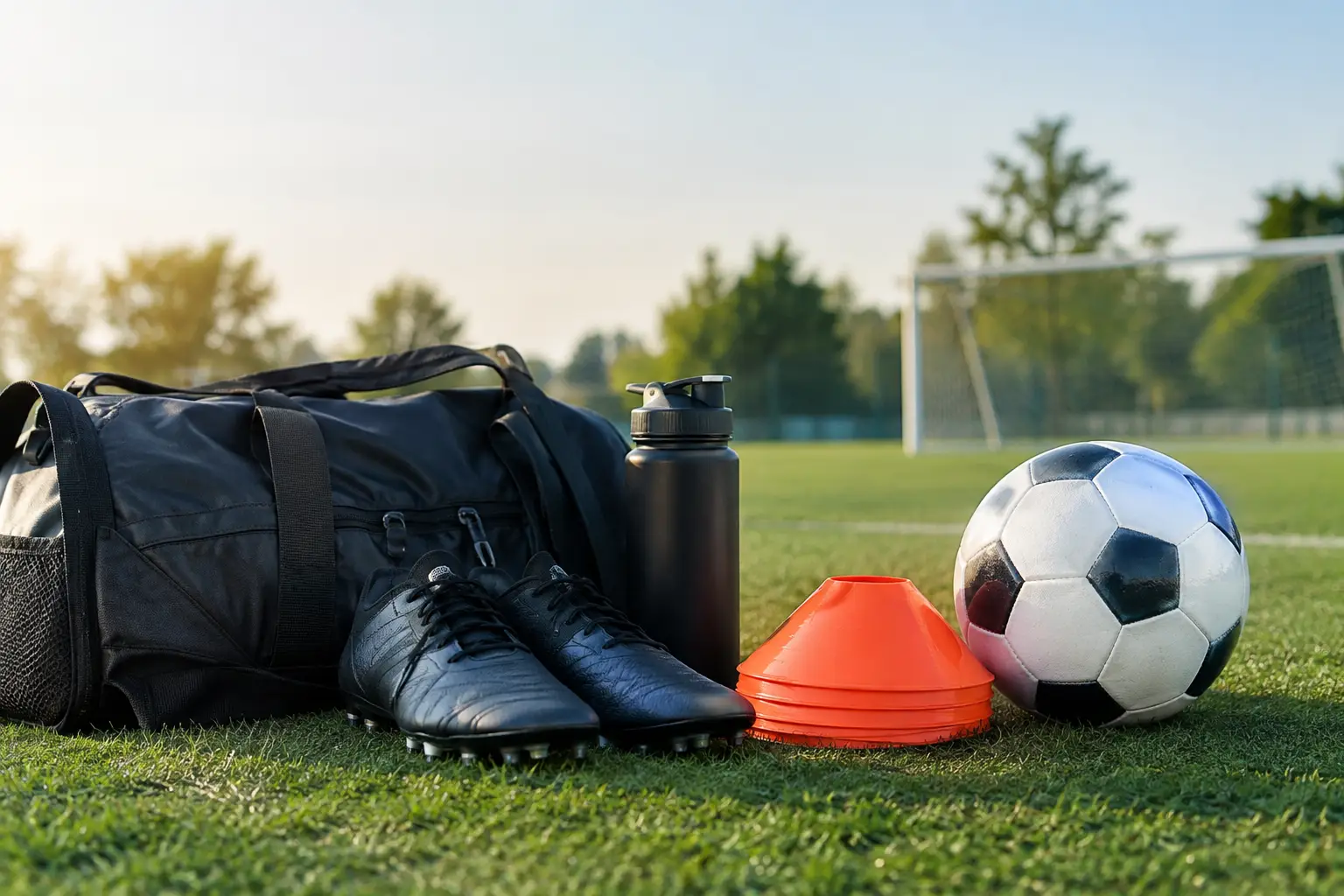
Pre-season is where small equipment problems become obvious. A boot that slips, a sock that bunches or training kit that stays wet between sessions can distract from the work that builds match fitness. The right football pre-season training gear keeps your focus on sharp movement, repeat efforts and technical quality - not on fixing your kit halfway through a drill.
For committed players, pre-season gear is not about carrying more equipment. It is about choosing reliable essentials that can handle frequent training, changing conditions and the physical load of returning to full intensity.
Build your football pre-season training gear around movement
Pre-season sessions ask more of your body than most match weeks. There are often more running metres, more changes of direction, repeated acceleration work and less recovery time between field sessions. Your gear needs to stay secure when fatigue starts to affect how you move.
Start with the items closest to your body. A stable sock and boot setup helps reduce movement inside the boot, giving you a more connected feel when accelerating, cutting or striking the ball. Grip socks are particularly useful when you want a locked-in fit without over-tightening your laces. The aim is not to make a boot feel restrictive. It is to limit avoidable slip so your foot can work naturally.
Fit matters as much as grip. Socks should sit smoothly through the heel and forefoot, with no excess material around the toes. Training tops and shorts should allow a full stride, hip rotation and overhead movement without pulling or riding up. If you are constantly adjusting your kit, it is not doing its job.
Get the boot and sock combination right
Your boots are the foundation of your on-pitch setup, but the best choice depends on the surface you train on most. A firm ground soleplate may suit dry natural grass, while artificial grass requires studs designed to spread pressure more evenly. Wearing the wrong configuration can affect traction and leave your feet working harder than they need to.
Pre-season is also the right time to break in new boots. Do not save a fresh pair for the first trial match or hard conditioning block. Wear them for shorter sessions first, then build up duration once you know where pressure points appear. Pairing them with the socks you intend to wear regularly gives you a more accurate fit test.
If you tape your socks, make sure the tape does not create a tight band around the calf or ankle. Secure is good; restricted circulation is not. For many players, a grip sock underneath a cut football sock provides a practical match-ready setup, but it still needs to feel comfortable across repeated sessions.
The essential pre-season kit list
A well-prepared player does not need a packed bag of novelty gear. These are the essentials worth checking before training volume rises:
- Boots suited to your main surface, with studs, laces and upper material in good condition.
- Grip socks and training socks that stay in place and give you a consistent boot feel.
- Shin guards that fit securely for contact drills, small-sided games and trial matches.
- Lightweight training apparel that works for running, ball work and warm conditions.
- A weather layer for cold starts, wind or wet sessions, without adding bulk once you are moving.
- A water bottle and simple kit bag so hydration and dry gear are always on hand.
The list is deliberately simple. Consistency is more valuable than constantly changing what you wear. When your gear feels familiar, you can judge your movement and comfort properly as training load increases.
Prepare for Australian conditions, not just the session plan
Australian pre-seasons can mean humid evenings, dry grounds, sudden rain or cold early mornings depending on where you play. That makes flexible layering more useful than one heavy item you will remove after the warm-up.
For cooler sessions, arrive in a light outer layer and track pants if needed, then remove them once your body temperature rises. Keep a dry top for after training. Sitting in damp kit after a demanding session is uncomfortable, especially when you are travelling home or heading straight to work, school or uni.
On hot days, breathable apparel and hydration become the priority. Bring enough water for the full session rather than relying on a quick drink at the end. If your club uses a long conditioning block before ball work, a second bottle can be worthwhile. A small detail like this helps you maintain quality when the session gets difficult.
Ground conditions should influence your footwear decision too. A hard, dry pitch can feel very different from a watered training surface, even at the same venue. Check the ground before you leave, particularly if you have more than one boot option. The goal is dependable traction, not the most aggressive stud pattern available.
Use gear to support training consistency
The biggest benefit of quality pre-season equipment is that it removes barriers to showing up prepared. A reliable setup makes it easier to train through a demanding block without dealing with preventable discomfort.
That does not mean gear replaces smart load management. If your heel is rubbing, your calves are unusually tight or you are getting hot spots under the forefoot, do not simply add more tape and push through. Check the cause. It could be a worn insole, a boot that is too narrow, a sock that shifts, or a sudden increase in training volume.
Keep a second pair of training socks in your bag, particularly during wet weather or double sessions. A dry pair can make the trip home more comfortable and helps you avoid putting damp gear back on before it has aired properly. Rotate footwear where possible, allowing boots time to dry naturally between sessions. Do not leave them in a sealed bag or use excessive heat, as both can shorten their lifespan.
Shin guards also deserve attention in pre-season. As football training becomes more competitive, so do contact drills and small-sided games. Guards should cover the area you need without moving around or distracting you when sprinting. If they slide constantly, reassess the fit or sleeve rather than accepting it as normal.
What to replace before match preparation starts
Pre-season gives you time to identify tired equipment before points are on the line. Inspect your boots for separated soles, rounded or damaged studs, split uppers and loose stitching. Check sock elasticity, especially around the arch and cuff. Once a sock loses its shape, it is more likely to move inside the boot.
Training apparel should also earn its place in your rotation. A top that holds odour after washing, shorts with failing drawcords or a jacket with broken zips adds unnecessary friction to a busy week. Replace what affects comfort and function first. You do not need a full reset of your wardrobe to be prepared.
If you are buying new gear, avoid changing everything at once. New boots, a different sock thickness and unfamiliar shin guards can make it hard to tell what is causing discomfort. Introduce one major change at a time, use it in training and make adjustments before your first competitive fixture.
Pack for the player you need to be
Your training bag should make preparation automatic. Pack it after each session, not ten minutes before you leave. Put wet items out to dry, restock clean socks, refill your bottle and check that your boots are ready for the next surface.
Pre-season rewards players who repeat the basics with intent. Choose football gear that fits properly, stays secure and handles the sessions that build your season. When training starts at full pace, dependable equipment lets your attention stay where it belongs - on the next sprint, the next touch and the next action.