
A teenager’s kit can either remove distractions or create them. Boots that slip, socks that bunch, a shirt that stays damp or shin guards that move every sprint all take attention away from the ball. The right football training gear for teens is not about owning more gear. It is about building a dependable setup for every session, from early-morning club training to a full 90 minutes on matchday.
For players who train regularly, equipment is part of preparation. It should fit properly, handle repeated use and allow confident movement when the tempo rises. Start with the items that directly affect grip, comfort and protection, then add layers and training tools based on the season, surface and training load.
Build Football Training Gear for Teens Around Movement
Teen players grow quickly, train on different surfaces and often move between school, club and academy football. That makes fit especially important. Gear that is technically excellent but poorly sized will still be a problem.
The priority is a close, secure fit without restriction. Socks should stay in place, boots should hold the foot through acceleration and changes of direction, and base layers should move with the body rather than bunch under playing gear. Avoid buying oversized apparel simply to get more wear from it. Loose fabric can catch, shift and feel heavy when wet, while boots with too much room can reduce touch and increase rubbing.
There is a balance. Boots should not crush the toes or create pressure across the forefoot, especially for players still growing. A small amount of room is sensible, but a boot should still feel locked in at the heel. Test both boots while standing, walking and making football-specific movements where possible.
Grip socks are a performance essential
Inside-the-boot movement is easy to overlook until it costs a player confidence. When the foot slides within the boot, it can affect stability during sharp turns, increase the chance of blisters and make the boot feel less responsive.
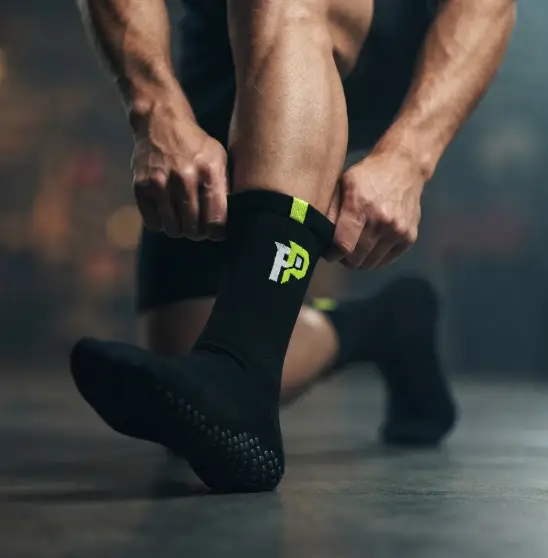
Grip socks are designed to reduce that internal movement. For teenage players completing multiple sessions each week, they are a practical part of a match-ready kit rather than a cosmetic extra. The goal is simple: the foot, sock and boot should work as one unit.
A secure pair should feel supportive without cutting into the calf or compressing the foot uncomfortably. Players using cut socks should make sure their grip socks sit cleanly beneath the team sock, with no bulky overlap around the ankle. If the setup shifts during training, it needs adjusting before matchday.
Boots must match the playing surface
Boot selection depends on the ground more than the colourway or the latest release. Firm-ground boots are common for natural grass pitches, but the right stud pattern must suit the conditions. On dry, firm surfaces, overly aggressive studs can feel uncomfortable and place unnecessary stress on joints. On wet or soft grass, insufficient traction can make every change of direction less certain.
For artificial turf, use footwear designed for that surface. Turf or artificial-ground options generally spread pressure differently and help protect both the player and the playing surface. Wearing the wrong boot on synthetic pitches can feel unstable and may wear the soleplate faster.
One reliable pair that fits well is more valuable than several pairs that are poorly matched to the surface. Keep boots clean after sessions, remove mud before it hardens and let them air dry away from direct heat. A boot left wet in a bag will lose shape and smell quickly.
Protection That Does Not Get in the Way
Shin guards remain non-negotiable for training and matches where contact is expected. The right pair covers the main area of the shin, sits securely and works with the player’s preferred sock setup. Guards that constantly rotate or slide down become a distraction, so test them during running and striking rather than only while standing still.
The lightest option is not always the best option for every teen. A central defender who regularly deals with tackles may prefer more coverage, while a winger might value a lower-profile guard. Both need protection that stays in place. If guards have straps, check the straps still hold their tension. If they rely on sleeves, keep a spare sleeve available for wet-weather sessions.
Goalkeepers need a different layer of protection and preparation. Gloves should match the conditions and the player’s level of use. A developing goalkeeper does not need to chase every premium glove feature, but they do need a pair with a dependable fit and enough grip for regular handling work. Gloves should be lightly cleaned after use and never left soaked in the bottom of a kit bag.
Clothing for Australian Conditions
Australian football can mean cold starts, hot afternoons, rain, wind and hard grounds within the same season. Training clothing needs to help players manage those changes without adding unnecessary bulk.
A lightweight base layer is useful in cooler conditions, particularly for players who arrive early or spend periods waiting between drills. It should fit close to the skin and dry quickly. On warmer days, breathable training tops and shorts matter more than heavy fabric. A player who overheats will struggle to maintain concentration and work rate late in the session.
For wet sessions, pack a light outer layer for before and after training rather than relying on it during high-intensity drills. Once the work starts, most players need freedom of movement more than extra insulation. A dry change of shirt, socks and underwear in the bag is often the difference between leaving training comfortable and sitting in damp gear on the trip home.
Do not forget sun protection. Training and matches regularly run through high-UV periods, particularly in pre-season and early autumn. Sunscreen, a cap for sideline time and hydration belong in the routine even when the focus is purely performance.
Training Tools That Earn Their Place
Personal training tools can help teens get more purposeful work outside team sessions, but only if they are used consistently. A quality football is the starting point. It should be correctly inflated and suited to the player’s age group and competition requirements. An under-inflated ball changes passing and striking technique, while an over-inflated ball can make touch feel harsh.
Cones or markers are useful for first-touch patterns, dribbling routes, acceleration work and small-space drills. They do not need to create complicated sessions. Four markers and a ball are enough for a player to practise receiving on the back foot, turning away from pressure and carrying the ball at speed.
A water bottle should be treated as training equipment, not an afterthought. Teen athletes often arrive under-hydrated after school, especially in warmer weather. Starting the session with water already in the body supports concentration and repeat sprint efforts more effectively than trying to catch up after training has finished.
For players working on strength and mobility, resistance bands can be useful for activation and controlled lower-body exercises. They are not a replacement for qualified coaching or a structured gym programme. Used well, they can support warm-ups and help players build better habits around hip, glute and ankle preparation.
Pack for Consistency, Not Just Matchday
The best football training gear for teens stays ready in the kit bag. Build a simple routine: boots, grip socks, shin guards, training kit, water bottle and a dry change of clothes should be checked before leaving home. Add weather layers, goalkeeper gloves or personal training tools when required.
It is worth keeping a small recovery and maintenance section in the bag too. Spare socks, blister plasters, tape, a towel and a separate compartment for wet gear prevent small issues from becoming missed sessions. Washing kit promptly and airing boots out is basic preparation, but it extends the life of equipment and keeps every item ready for the next session.
Buying gear gradually is sensible. Prioritise the pieces used every time a player trains, then replace items when their fit, grip or protection has noticeably declined. A focused kit gives teenage players one less thing to think about - so they can put more into the work that moves their football forward.